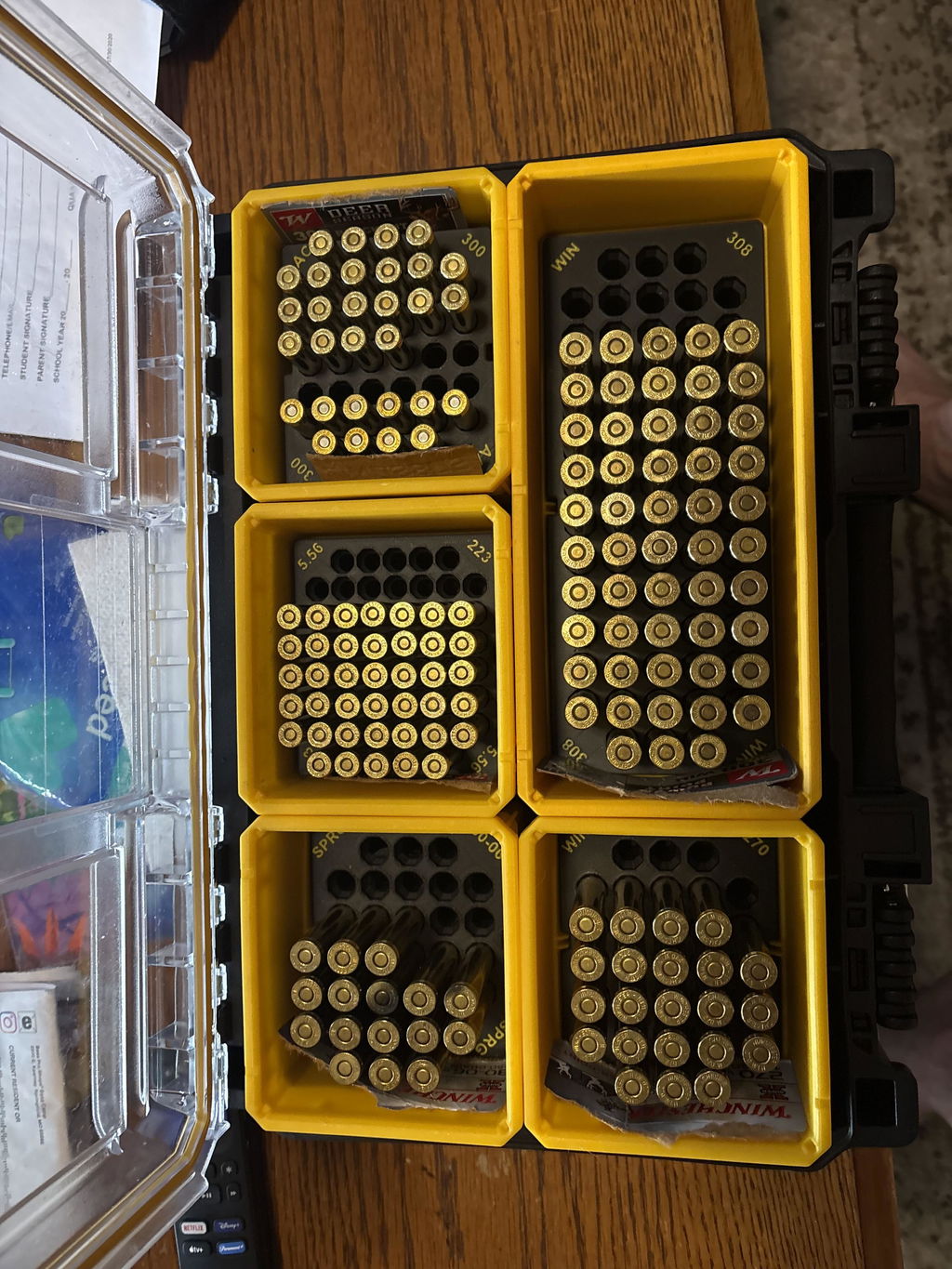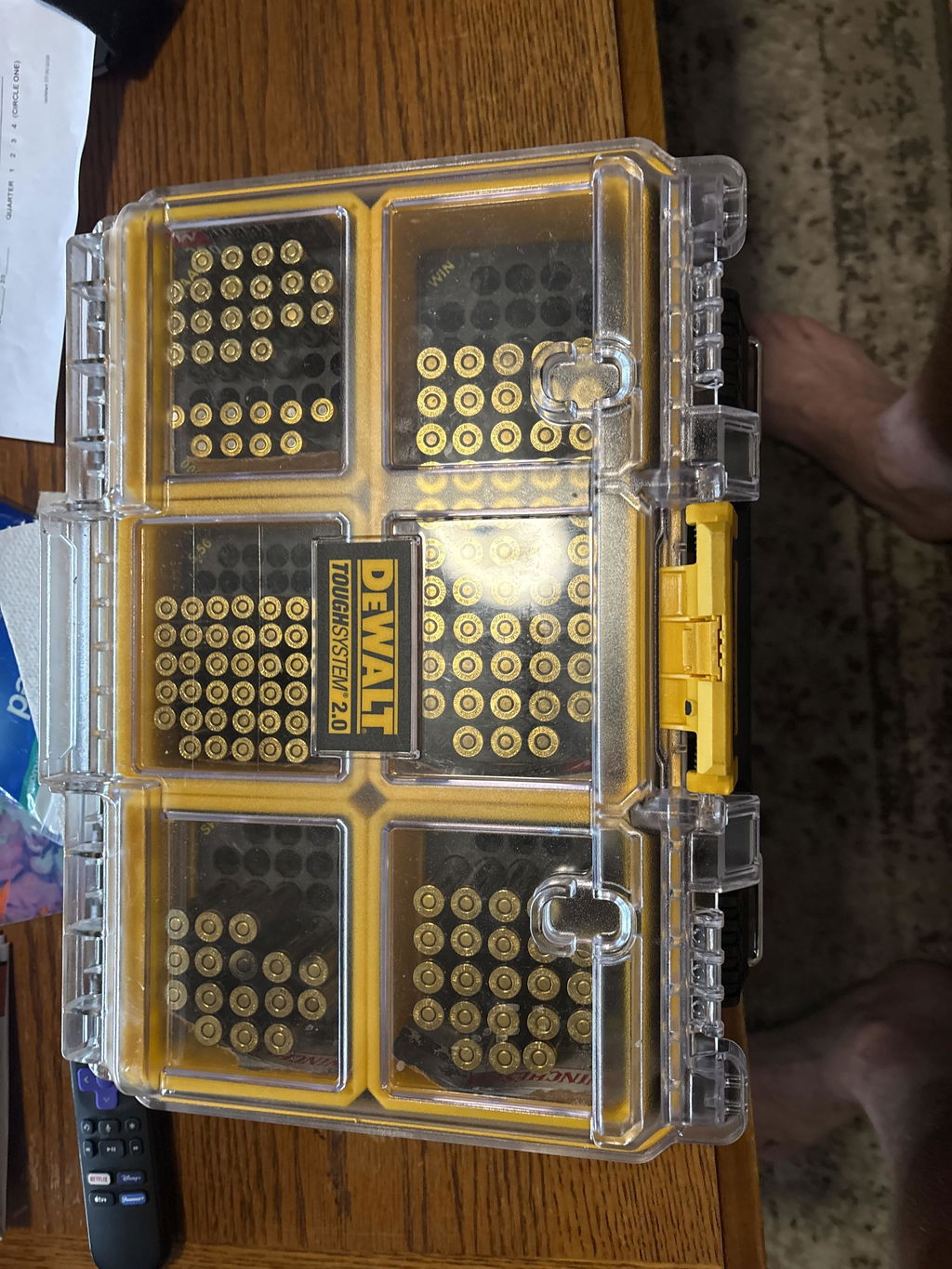

A socket rolling under a drawer liner, a loose battery taking up space in a case, or a reloading tool buried under parts creates the same problem: the gear is technically stored, but it is not ready to use. PETG 3D printed organizers address that gap with defined locations, practical access, and fitment built around the equipment people actually carry and use.
Generic bins have their place. They work for spare hardware, cleaning rags, and items that do not need protection or a repeatable position. But tools, batteries, ammunition components, prep equipment, and maintenance gear often require a more intentional layout. An organizer that holds each item in the right orientation reduces searching, limits movement during transport, and makes an open case or drawer easier to work from.
Why PETG Fits Working Storage
Material selection matters because organizers are handled, loaded, moved, and occasionally left in less-than-perfect conditions. PETG is a practical choice for workshop and field storage because it combines stiffness with useful impact resistance. It does not have the brittle feel associated with some basic printing materials, and it performs well around the normal temperature swings found in garages, trucks, ranges, and work areas.
That does not mean every PETG part should be treated the same way. A slim tray designed for a protected drawer has different demands than an insert carried in a hard case. Wall thickness, ribbing, base design, and the way weight is distributed all affect how a printed organizer holds up. Good design is not simply adding material everywhere. It is placing support where the tool, case, or stored item applies load.
PETG also makes sense for equipment that may see oils, cleaning products, dust, and regular handling. The material is not a substitute for proper care, and any chemical should be tested before prolonged contact with a storage component. Still, for day-to-day utility, PETG offers a strong balance of durability, print quality, and cost for purpose-built organizers.
Exact Fit Is More Than a Clean Look
A precision-fit insert looks organized, but the real benefit is control. When a battery, tool, magazine, die, or component is seated in a dedicated pocket, it stays put. That reduces rattling during transport and gives the user an immediate visual check of what is present and what is missing.
Fit also affects speed. A well-designed holder allows the user to grip and remove an item without fighting the organizer. Finger reliefs, angled openings, chamfered edges, and sensible spacing are small details, but they determine whether an insert helps the workflow or becomes a nuisance. A pocket that is too tight wastes time. One that is too loose defeats the purpose.
Compatibility-driven design is especially valuable with established storage platforms. A Milwaukee Packout case, DeWalt storage system, Pelican Vault case, or reloading bench setup already provides structure. The right insert uses that structure instead of asking the owner to work around a generic tray. It accounts for interior dimensions, lid clearance, latch placement, handle orientation, and the way the case is carried.
The difference between a tray and a system
A loose tray organizes objects inside a larger container. A purpose-built system treats the container itself as part of the design. That distinction matters when gear is moved often.
For example, an insert for a protective case should keep contents from shifting into one another when the case is upright or in transit. A bench organizer should place frequently used items within reach while reserving deeper storage for less common tools. A Packout-compatible accessory should support the modular workflow that makes the platform useful in the first place.
The best layout depends on the job. A mobile gunsmith may prioritize compact access and secure retention. A reloader may prioritize count, visibility, and a consistent sequence from case prep through die setup. A tradesperson may need battery mounts and tool holders that make setup and cleanup faster at every stop.
Where PETG 3D Printed Organizers Make a Real Difference
The strongest use case is not simply "putting things away." It is eliminating repeat friction from a task you perform often.
On a reloading bench, dedicated holders can keep shellholders, dies, primer tools, calipers, and prep tools separated and easy to identify. Instead of moving several containers to find one small component, each tool has a repeatable home. This also makes cleanup simpler: an empty slot tells you exactly what still needs to be returned.
In a tool case, fitted organizers protect the investment in the tools themselves. Batteries, chargers, drill bits, meters, hand tools, and specialty accessories can be arranged to prevent loose movement and make missing gear obvious before leaving the shop. This is particularly useful for users who carry the same kit between a truck, job site, garage, and workbench.
For firearms maintenance and range support, storage needs are often more specialized. Small parts, cleaning tools, bore guides, maintenance accessories, and purpose-specific tools are easy to misplace when they share space with larger equipment. Organizers designed around those items reduce clutter and help keep a case or workstation orderly. The goal is better equipment management, not adding unnecessary bulk.
Protective cases benefit as well. Factory foam can work for some loads, but it can be difficult to reconfigure, degrade with repeated use, or leave small accessories without a defined place. A printed insert can create compartments for hard gear while maintaining a layout that is easy to inspect, clean, and reload after use.
Design Details That Separate Useful Organizers From Novelty Prints
Not every printed organizer is ready for daily use. Before choosing one, look beyond the product photos and consider how it will function under load.
First, check the stated compatibility. A product described as fitting a specific case, storage platform, or equipment model should identify that platform clearly. Similar-looking cases can have different interior dimensions, lid profiles, or latch geometry. Precision only works when the organizer matches the actual version in hand.
Next, look at access. The stored item should be removable with normal hand placement, including when wearing light work gloves. Deep pockets can secure an item, but they need enough relief to let the user lift it out. For components that must remain upright, a stable base and correct pocket depth are more valuable than an overly aggressive press fit.
Then consider the load path. A holder for a lightweight cleaning tool and a holder for a heavy battery should not be built to the same standard. Wide bases, reinforced corners, and properly supported mounting surfaces help prevent flexing over time. If an organizer will ride in a vehicle or be carried through a workday, this detail becomes more significant.
Finally, evaluate the layout as a workflow. Items used together should be near each other. Frequently reached tools should not be trapped behind taller equipment. Empty space is not always wasted space if it gives fingers room, accommodates labels, or allows a case lid to close without contact.
Choosing the Right Layout for Your Equipment
Start with the equipment you use most, not every item you own. A heavily loaded organizer that tries to accommodate every possible accessory often becomes hard to transport and slow to reset. It is usually better to build around a defined job: a range maintenance kit, a caliber-specific reloading setup, a cordless tool loadout, or a mobile repair case.
Measure the space and account for the full environment. In a case, consider lid clearance and whether stored items can shift when the case is vertical. In a drawer, account for slides, dividers, and tools that may sit above the organizer's edge. On a bench, think about where your hands naturally move during the task.
It also helps to decide whether you need retention or simple sorting. Retention matters for travel, vehicle storage, and hard cases. Simple sorting may be better for a stationary drawer where tools need to be picked up quickly. The right answer depends on how far the organizer travels and how much movement the contents will see.
WM Prints focuses on this practical distinction: organizers should support the platform, protect the equipment, and make the next task faster. The useful product is not the one with the most compartments. It is the one that keeps the right equipment in the right place without slowing you down.
A good organizer earns its space every time you open the drawer, case, or box. Set up the gear you reach for first, leave room for your hands, and let the layout show you what is ready to work.