
3D printing has rapidly evolved over the past few years, transforming industries and showcasing its potential to revolutionize the way we produce and consume products. As technology continues to progress, several trends are emerging that highlight the most promising directions in which 3D printing is heading. Whether you're a seasoned tech enthusiast or just getting started, here are the top trends in 3D printing that you should keep an eye on.
1. Growth of Multi-Material 3D Printing
The ability to print with multiple materials simultaneously is gaining traction, enabling creators to craft complex and sophisticated objects that were once impossible. This development is opening doors in industries such as aerospace, healthcare, and consumer goods, offering a level of customization and functionality that enhances the end product.
2. Expansion in Metal 3D Printing
Metal 3D printing has seen a significant surge in interest. It's becoming increasingly popular in manufacturing sectors due to its ability to produce robust and durable components efficiently. The advancements in metal printing technologies are particularly noteworthy for applications requiring high precision and performance.
3. Sustainable 3D Printing Solutions
There is a growing emphasis on sustainability in 3D printing, with newer technologies focusing on reducing material waste and energy consumption. Biodegradable and recycled printing materials are becoming more common, helping companies and individuals contribute to a more sustainable future.
4. Enhancement of 3D Printing Accessories
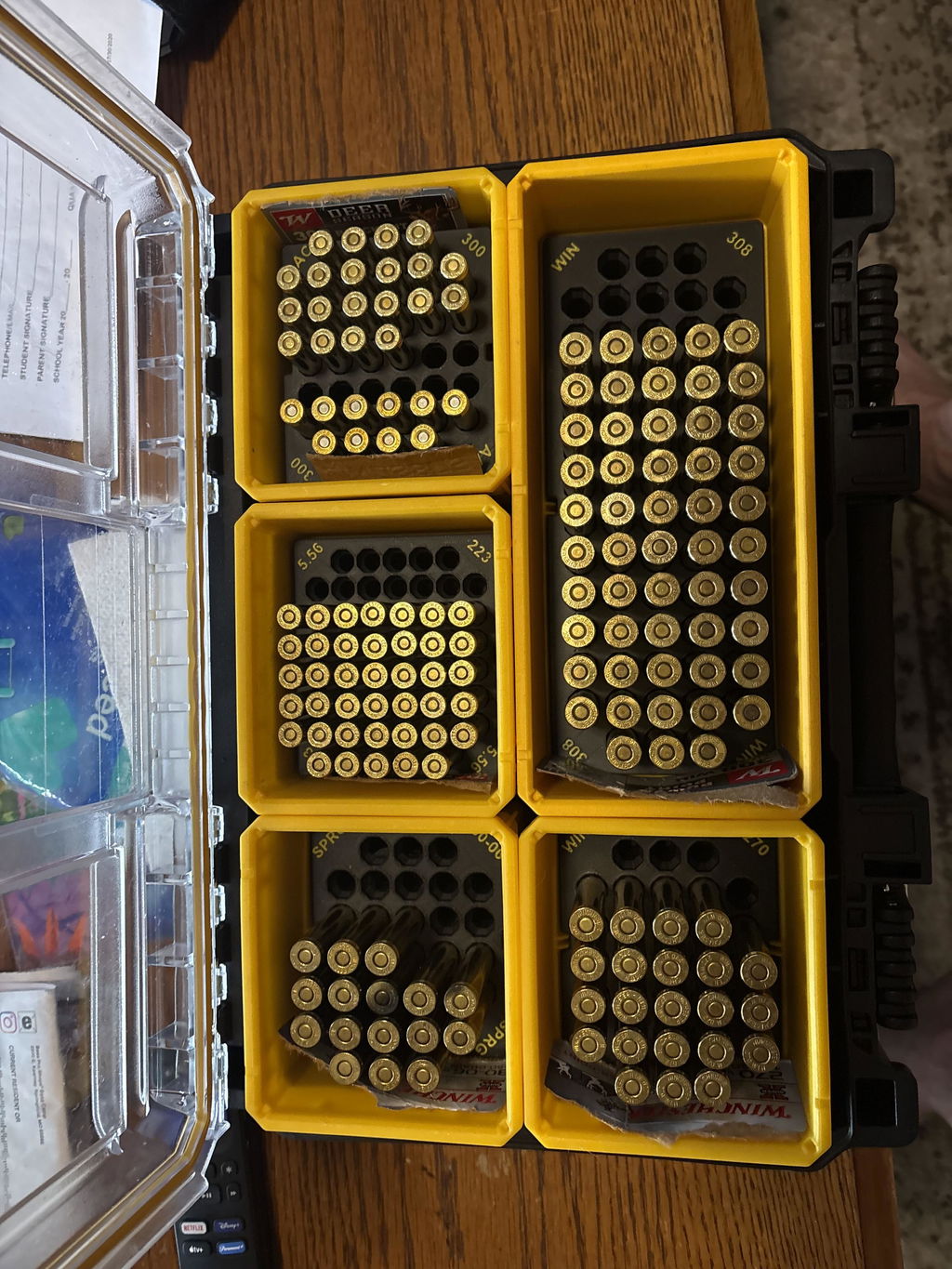
As 3D printing adopts new materials and technologies, the accessories and tools used in production are also advancing. For example, the Lyman Type Prep Tools Holder offers a practical solution for organizing essential tools used in the preparation and post-processing of 3D printed items. This helps in streamlining workflows and maintaining a tidy workspace essential for efficient production.
5. Integration with AI and Machine Learning
Artificial intelligence and machine learning are playing a crucial role in optimizing the 3D printing process. From design automation to quality control, AI-driven solutions are enhancing precision, reducing errors, and improving overall efficiency in 3D printing operations.
Conclusion
The landscape of 3D printing is vibrant and full of potential, with many exciting developments on the horizon. Keeping up with these trends not only provides insight into the future of manufacturing but also opens up possibilities for innovation and creativity in numerous applications. For those interested in exploring more about 3D printing and related products, take a look at wmprints.com for additional information and resources.