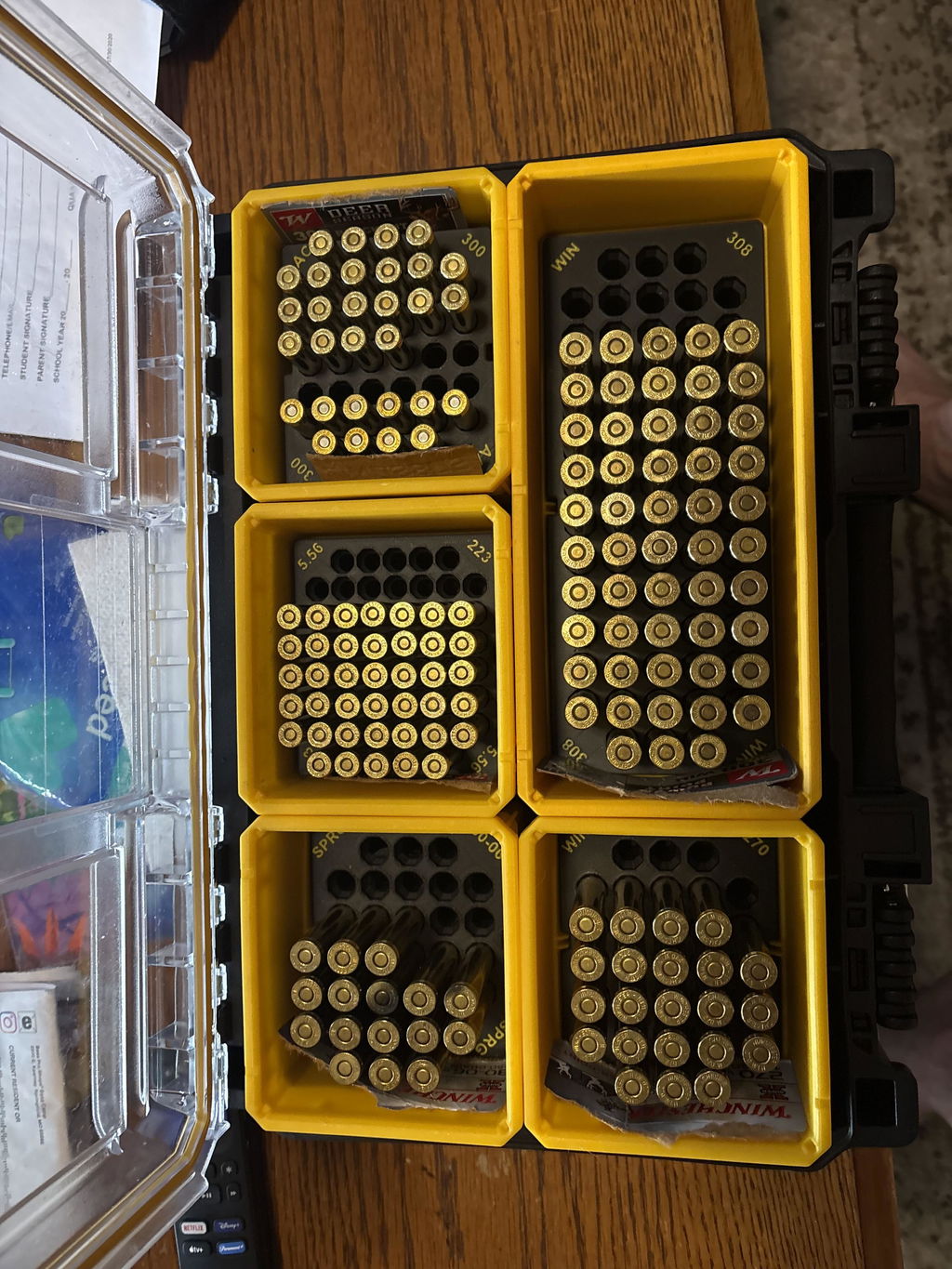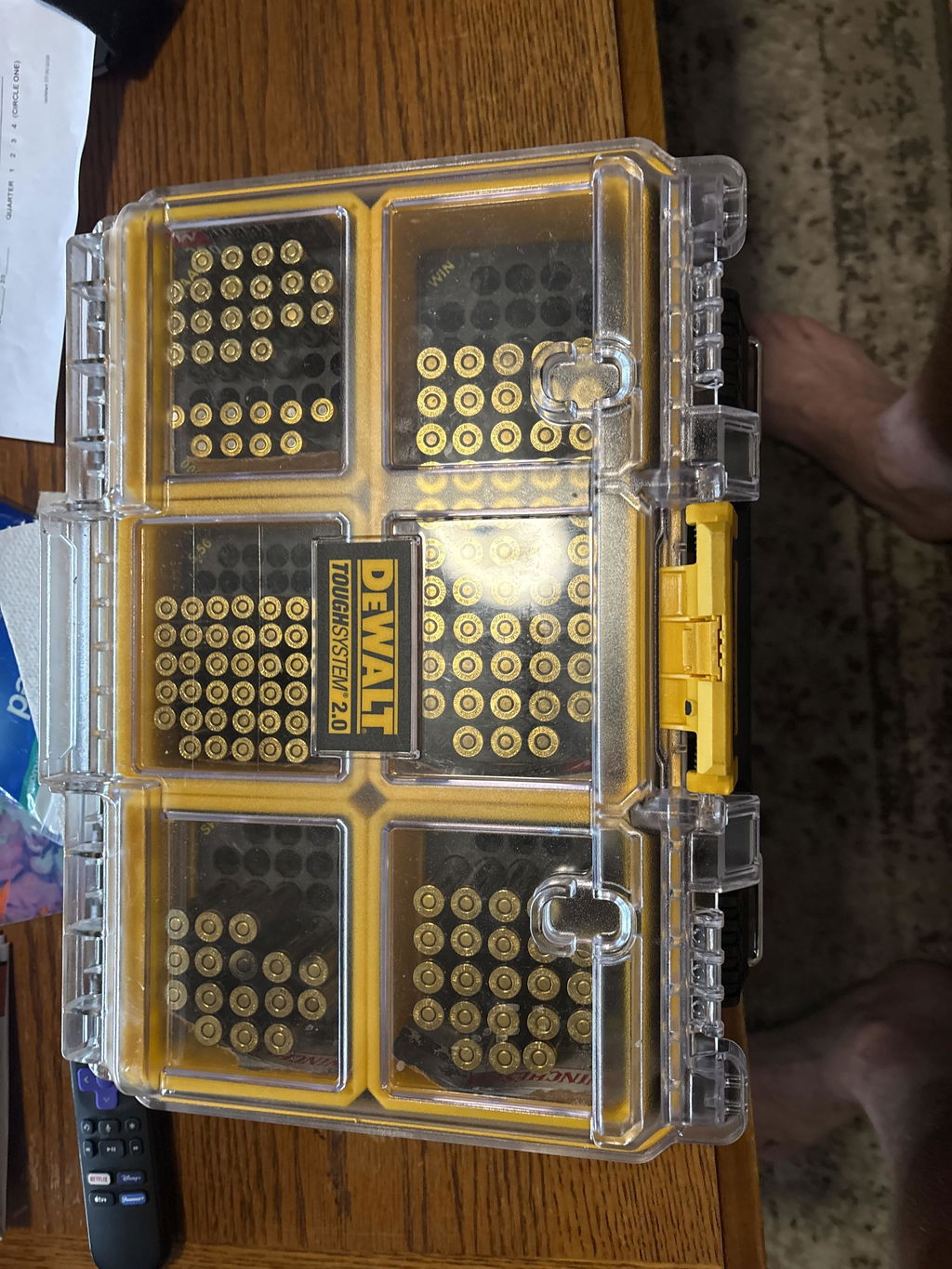

Loose ammunition rolling around a vehicle, range bag, or hard case is more than an annoyance. It makes inventory harder, exposes cartridges to unnecessary impact and contamination, and turns setup at the bench or firing line into a scavenger hunt. This guide to ammo transport protection focuses on the practical details that keep ammunition organized, accessible, and protected from the time it leaves the shelf until it returns.
The right setup depends on what you transport, how far it travels, and whether your priority is range-day speed, reloading workflow, or long-term storage. A single box of factory ammunition has different protection needs than handloads, match ammunition, or several calibers packed for a multi-day trip. The goal is not simply to put ammo in a container. The goal is to prevent movement, maintain clear identification, and make every round easy to account for.
Start With a Stable, Purpose-Built Container
A quality container is the foundation of ammo transport protection. The container should resist crushing, protect against ordinary moisture and dust exposure, and remain closed when it is moved, stacked, or carried. For a few boxes of ammunition, a properly sized plastic ammo can or hard-sided range case may be enough. For larger loads, a modular case system can keep ammunition separate from tools, magazines, eye protection, and maintenance gear.
Container size matters. An oversized box allows factory cartons or individual cartridges to slide and collide. A container that is too tight can crush cardboard packaging, make retrieval slow, and encourage users to force items into place. Choose a footprint that matches the quantity you normally carry, then use an insert, divider, or cartridge tray to control the empty space.
Hard cases are particularly useful when gear is transported in a truck bed, packed with tools, or exposed to repeated handling. They offer better impact resistance than a soft bag, but the case alone does not solve the movement problem. Without internal organization, cartridges, boxes, and accessories can still shift inside a hard shell.
Use Inserts to Stop Movement at the Source
The most effective protection happens inside the case. A precision-fit insert gives every cartridge, box, or accessory a defined location, limiting the movement that causes scuffed bullets, crushed boxes, mixed lots, and general disorder.
For reloaders, cartridge-specific trays are especially useful. They hold rounds upright or in a controlled orientation, making it easier to inspect primers, identify caliber, and count inventory before leaving the bench. They also prevent different loads from mixing if more than one bullet weight, powder charge, or firearm is involved. That separation is a safety and workflow advantage, not just a cosmetic improvement.
Foam can cushion equipment, but it is not always the best organizer for ammunition. Generic pick-and-pluck foam may compress over time, shed material, and leave inconsistent pockets that make cartridge counts less obvious. A durable, purpose-built PETG insert can provide defined slots, repeatable placement, and easier cleanup. The correct choice depends on the case and the gear inside it, but the principle stays the same: ammunition should not be free to migrate during transport.
A modular tool platform can also be a strong option when range and reloading gear travel together. Separate compartments for ammunition, tools, batteries, and maintenance equipment reduce the chance that hard metal tools strike cartridges or damage factory packaging. Keep cleaning chemicals and oils in their own sealed section as well. Leaks create an avoidable mess and can compromise labels or packaging.
Label Every Load Before It Leaves the Bench
A well-protected cartridge that cannot be identified is not properly managed. Factory boxes usually provide the necessary information, but handloads require disciplined labeling. At minimum, identify caliber, bullet weight, powder charge or load reference, primer type if relevant to your process, date loaded, and quantity.
For ammunition being tested, add a clear lot or test label. That makes it possible to track results without relying on memory after a long range session. If several similar loads are being transported, use distinct labels and physical separation. Do not assume that minor differences in marker color or a handwritten note on the side of a container will remain obvious in low light or after repeated handling.
Labels should be placed where they can be read without unloading the entire case. A label on the lid, front edge, or designated tray location saves time and reduces unnecessary handling. If a case carries multiple calibers, an internal layout that visually separates each caliber is worth the space it uses.
Match Your Protection Level to the Trip
Not every trip requires the same transport setup. A short drive to a local range may call for a compact case with several clearly marked cartridge trays. A hunting trip, competition weekend, or extended travel plan may justify a harder case, more secure closure, moisture control, and a deeper inventory check.
Temperature and humidity are also part of the equation. Ammunition should be kept away from direct sun, standing water, and excessive heat. Avoid leaving loaded ammunition in a vehicle for extended periods, particularly in hot weather. A closed vehicle can reach temperatures far beyond ambient conditions, and a good case cannot fully offset poor storage conditions.
For wet or dusty environments, consider the condition of the case seal and the location where it will ride. A sealed container provides more protection than an open tote, but moisture trapped inside is still moisture. If ammunition has been exposed to damp conditions, inspect the container and cartridges before storing them again. Dry, clean conditions are the standard to maintain.
Transport requirements can vary by state, local jurisdiction, mode of travel, and destination. Check the rules that apply to your route, particularly when crossing state lines or traveling by air. Keep ammunition packaged and secured in a manner that complies with applicable law and the policies of the carrier or facility involved.
Build a Packing Order That Protects Workflow
Packing order affects both protection and speed. Place the heaviest items low in the case or vehicle so they cannot shift onto ammunition. Keep cartridge trays level, avoid stacking loose equipment on top of factory boxes, and reserve a separate space for spent brass. Empty brass, live ammunition, and tools should never share one unorganized compartment.
A practical range case often follows a simple pattern: ammunition in dedicated slots, magazines or loaders in their own section, tools secured separately, and consumables such as targets or hearing protection placed where they will not crush other gear. The arrangement should let you open the case and see what is present immediately.
This is where compatibility-driven storage makes a measurable difference. An insert designed around the interior dimensions of a known case or organizer uses the available space efficiently while keeping the load stable. Generic organizers often waste volume or rely on movable dividers that shift under weight. For serious users, repeatable placement is faster and more dependable.
Inspect Before Departure and After Return
A quick inspection is one of the simplest ways to prevent transport problems from becoming range problems. Before departure, confirm that the correct ammunition is packed, labels are readable, lids are closed, and no cartridges are loose in the bottom of the case. Verify that the case itself is latched and that heavy items cannot move into the ammunition compartment.
After the trip, remove spent brass, wipe out debris, and inspect the container for moisture, damaged dividers, or signs of excessive movement. Check factory boxes for crushed corners and handloads for any damage or contamination. Returning everything to its defined location keeps the next trip from starting with a cluttered case.
Good ammo transport protection is built around control: control of movement, identification, environment, and access. A properly fitted case insert does more than make gear look organized. It protects the ammunition you prepared or purchased, shortens setup time, and gives you a cleaner, more reliable system every time the case opens.