
In recent years, 3D printing has transformed from a novelty concept into a cornerstone for innovation in various fields, including science and research. This technology's ability to create complex structures with precision and efficiency has opened up new frontiers across numerous scientific disciplines. Let's delve into how 3D printing is revolutionizing research and explore some fascinating contributions it has made to the scientific community.
Advancements in Medical Research
One of the most significant impacts of 3D printing is observed in the medical field. Researchers are harnessing this technology to develop custom prosthetics and implants, tailored specifically to fit a patient's anatomy. This level of personalization enhances comfort and functionality, significantly improving patient outcomes. Moreover, 3D printed models of organs and tissues allow surgeons to practice complex procedures, increasing success rates and reducing operation times.
Contributions to Materials Science
The field of materials science is another area that has greatly benefited from 3D printing. The ability to experiment with new materials, layers, and structures at a lower cost and faster pace accelerates innovation. For instance, researchers can now prototype and test the properties of novel materials with ease. This enhances the development of stronger, lighter, and more sustainable materials for a variety of applications.
Enhancing Precision in Laboratory Tools
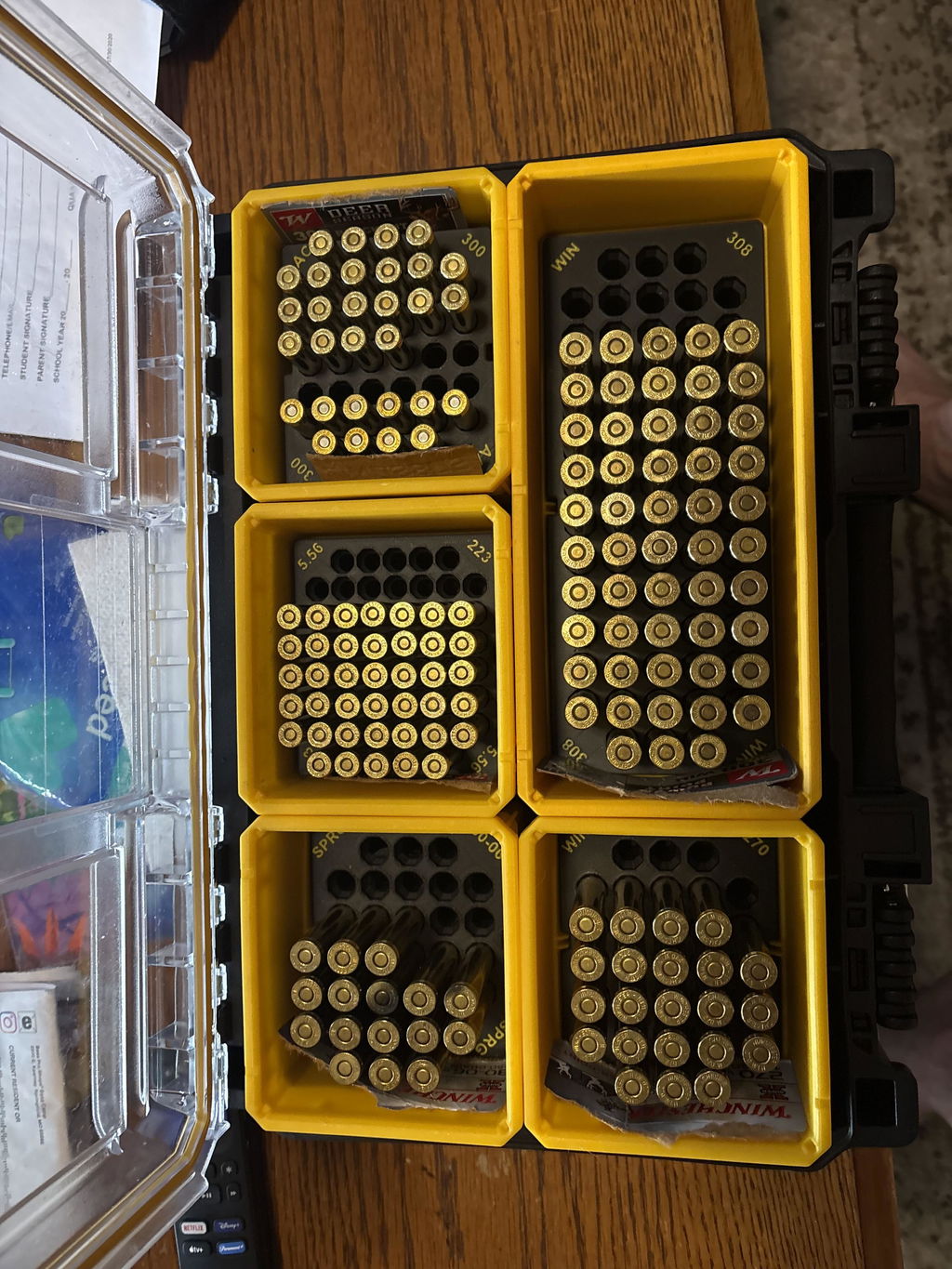
Precision tools are crucial in any laboratory setting. 3D printing offers the flexibility to create custom lab equipment and components, which may not be readily available through traditional manufacturing methods. At WM Prints, products such as the Lyman Type Prep Tools Holder demonstrate how 3D printed solutions can improve the organization and functionality of essential laboratory instruments.
Aerospace and Environmental Research
3D printing's influence extends to aerospace research, where it aids in the creation of lightweight and durable rocket components. This capability not only reduces manufacturing costs but also enhances the performance of spacecraft. Additionally, 3D printing plays a role in environmental research through the creation of customized, cost-effective tools for analyzing and testing ecological systems.
The Future of 3D Printing in Research
The continued advancement and accessibility of 3D printing technology promise even greater innovations in the future. As researchers explore new possibilities—from bioprinting human tissues to creating sustainable materials—the impact of 3D printing on science and research will undoubtedly grow.
3D printing is more than just a tool; it is a catalyst driving scientific discovery and technological progress. Its role in science and research not only proves beneficial but essential for pushing the boundaries of what's possible.
To explore more about innovative 3D printing solutions, visit WM Prints.