
The integration of technology into education has always been a catalyst for innovation and engagement. One such technological advancement that has been making waves is 3D printing. This powerful tool offers a unique way for educators and students to explore new dimensions of learning, literally and figuratively.
Benefits of 3D Printing in Education
1. Enhanced Learning Experiences
3D printing provides a hands-on learning experience that can enhance the educational journey for students of all ages. By allowing students to create tangible objects from digital models, this technology promotes creativity and problem-solving skills. It transforms abstract concepts into concrete examples, making learning more accessible and engaging.
2. Fostering Creativity and Innovation
Encouraging students to design and print their own projects unleashes their creativity and innovativeness. Students can experiment with different designs, iterate, and find solutions to complex problems, which is a valuable exercise in critical thinking and innovation.
3. Customization and Personalization
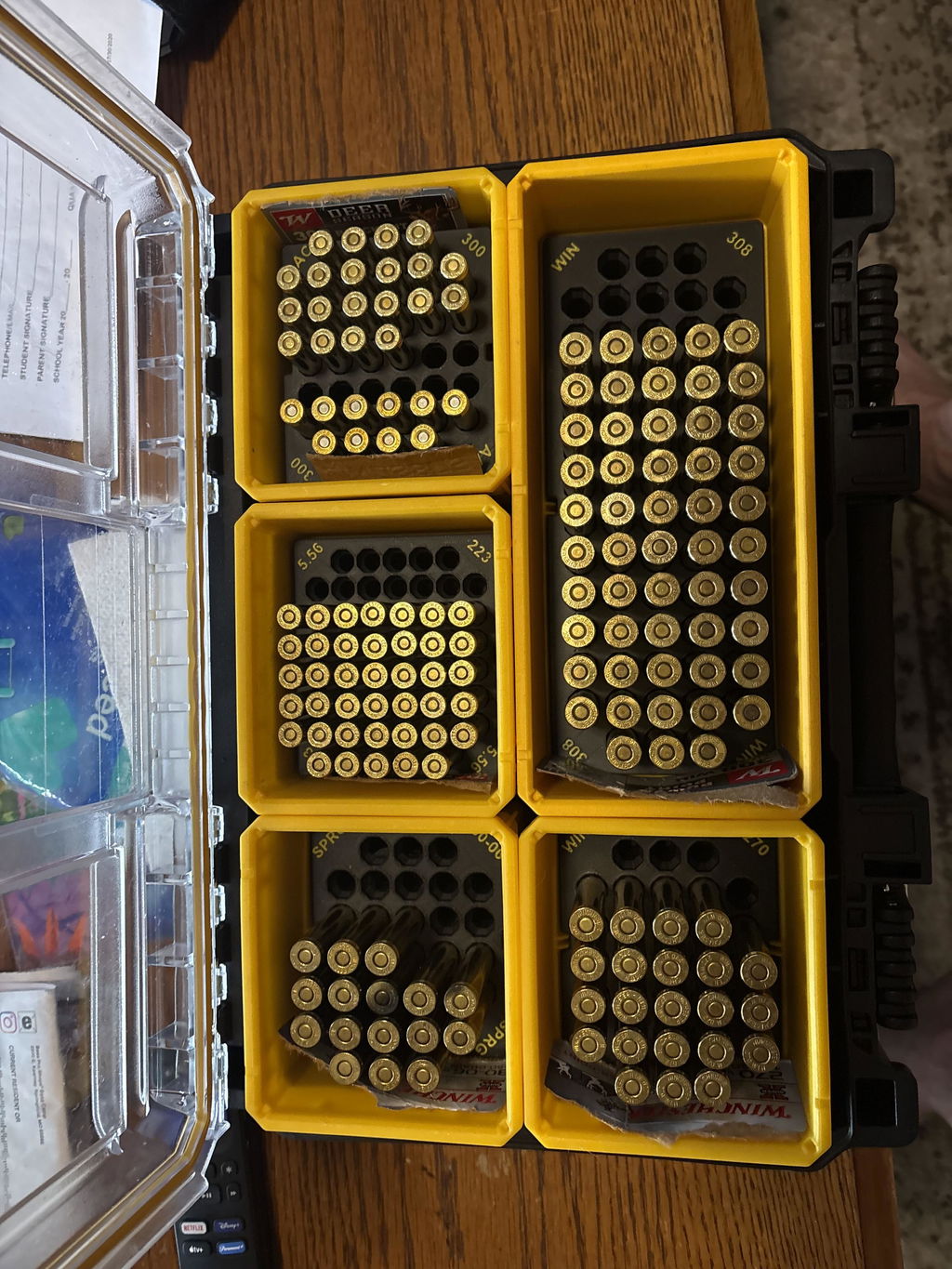
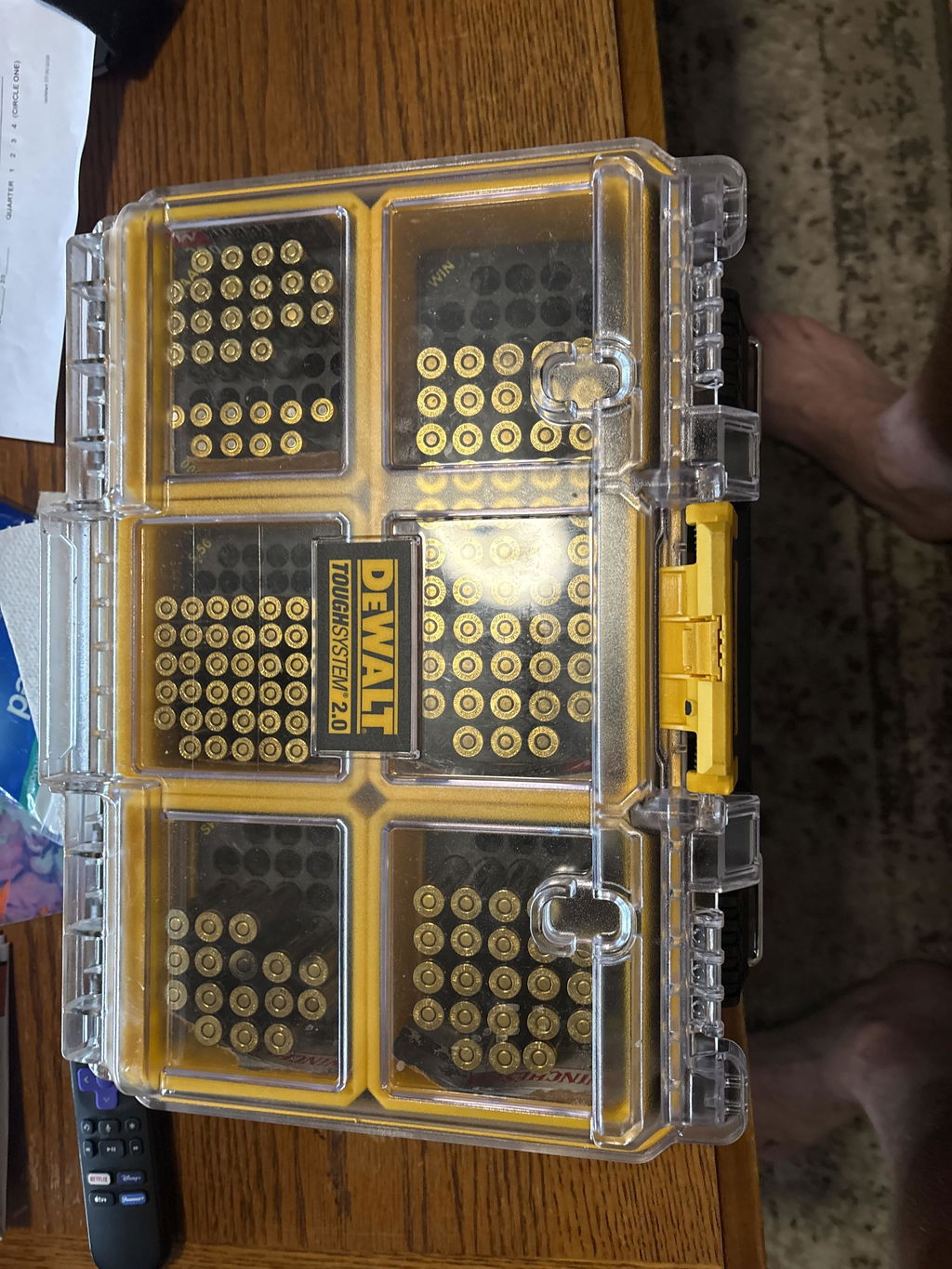
3D printing enables the creation of customized learning tools and supplies, tailored to meet the specific needs of various educational contexts. For instance, a Lyman Type prep tools holder could be an excellent resource in teaching mechanical skills or organizing workshop equipment, enabling students to better manage and engage with their projects.
4. Multidisciplinary Applications
This versatile technology finds applications across various subjects, from geography, where students can print topographical maps, to biology, where anatomical models can be printed for detailed study. Such interdisciplinary uses ensure that 3D printing can benefit a broad spectrum of educational disciplines.
Challenges of 3D Printing in Education
1. Cost and Accessibility
Despite its benefits, the deployment of 3D printing in educational settings can be costly. Schools need to invest in printing equipment, materials, and maintenance. Additionally, ensuring all students have access to this technology can be a significant hurdle.
2. Technical Skills and Training
Implementing 3D printing requires both educators and students to develop new technical skills. This could mean additional training for teachers and a learning curve for students to effectively use the technology.
3. Integration into Curriculum
Effectively integrating 3D printing into existing curricula can be challenging. Educators must thoughtfully design lessons that incorporate this technology in a meaningful way, which can be time-consuming and require curriculum adjustments.
Conclusion
As with any technology, the successful integration of 3D printing in education relies on addressing its challenges while maximizing its benefits. Schools and educators who embark on this journey can unlock limitless possibilities for enhancing the educational experience. For more resources and products related to 3D printing, visit WM Prints.
By embracing 3D printing, the educational landscape becomes more dynamic, fostering a new generation of innovative thinkers ready to tackle future challenges.