
Introducing children to the fascinating world of 3D printing can ignite a lifelong passion for creativity and innovation. This technology offers a unique intersection between learning and play, allowing kids to bring their imaginations to life. Here are some educational tips to help you seamlessly introduce 3D printing to young minds.
Start with Simple Concepts
Begin by explaining the basic concept of 3D printing to children in a way that's easy to understand. Discuss how a 3D printer can build objects layer by layer from a digital file, much like building a tower with blocks. This fundamental understanding provides the groundwork for more complex learning.
Use Age-Appropriate 3D Design Software
Utilize design software that is user-friendly and tailored to a child's age group. Platforms like TinkerCAD or even apps designed for tablets can be excellent starting points. These tools often have tutorials and challenges that make learning both engaging and educational.
Encourage Creativity and Experimentation
Allowing children to explore their creative ideas is crucial. Encourage them to create simple designs that reflect their current interests—be it toys, simple models of animals, or objects for a favorite hobby. This nurtures their problem-solving skills and builds confidence.
Implement Practical Learning with Tools
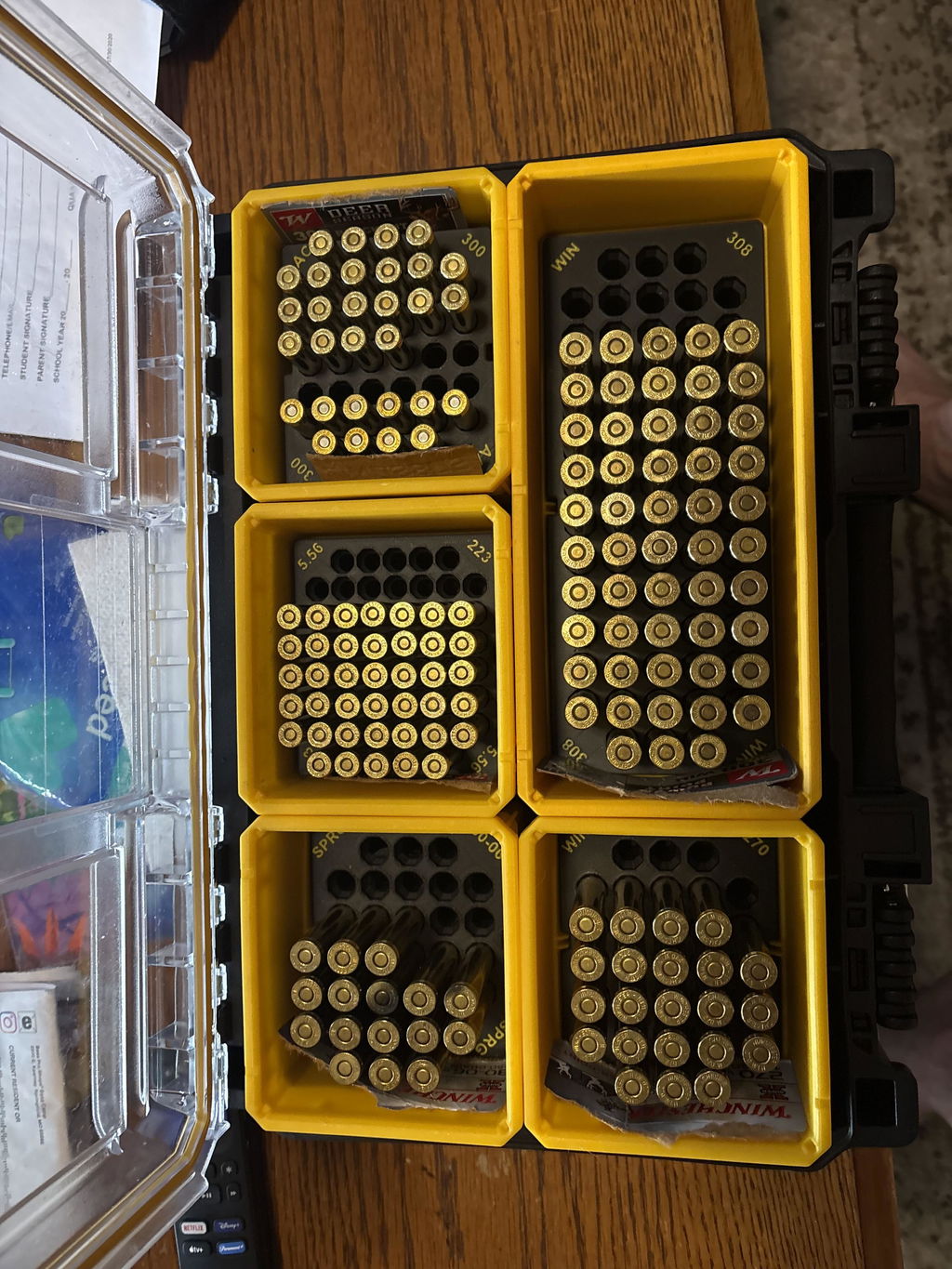
3D printing isn't just about the printing process itself; it also includes understanding the tools and materials involved. Introducing children to basic tools, such as the Lyman Type prep tools holder, can add a hands-on element to the learning process. They can learn about maintaining and organizing the tools that support their creative projects.
Foster a Collaborative Environment
Learning in groups can enhance the experience. Consider organizing a small workshop where children can collaborate on a project. This not only promotes teamwork, but also allows them to learn from each other and share creative techniques.
Explore Real-World Applications
Discuss the various ways 3D printing is used in real-world scenarios, like in engineering, medicine, and art. Knowing this can help children see the broader implications of the technology and fuel their interest in pursuing related careers in the future.
Visit a Makerspace or Lab
Consider taking a field trip to a local makerspace or 3D printing lab. Seeing larger, more advanced printers in action and possibly interacting with professionals can vastly expand a child’s understanding and appreciation of what they can achieve with 3D printing.
For more resources and tools related to 3D printing, visit WM Prints to find products that might aid in your educational journey. Happy printing!