
3D printing has rapidly evolved over recent years, revolutionizing industries and captivating the imaginations of hobbyists and professionals alike. Despite its growing popularity, several myths about what 3D printing can and cannot do persist. In this post, we'll debunk some of the most common misconceptions, highlighting the true capabilities of this innovative technology.
Myth 1: 3D Printing Can Only Use Plastic
One of the earliest myths about 3D printing is that it's limited to plastic. While it's true that many 3D printers utilize thermoplastics like PLA and ABS, the range of materials available for 3D printing extends far beyond these. Modern 3D printers can work with materials including metals, ceramics, concrete, and even food! Industries such as aerospace and automotive employ metal 3D printing for parts that demand high strength and durability.
Myth 2: 3D Printing is Only for Large Companies
While large corporations certainly leverage 3D printing for its benefits, the technology is far from being exclusive to them. With the decreasing costs of 3D printers and materials, individual hobbyists, small startups, and educational institutions can also harness its capabilities. Whether you are a DIY enthusiast or an entrepreneur looking to prototype a new product, 3D printing is accessible and scalable to suit a wide range of needs.
Myth 3: 3D Printed Objects are Fragile
There is a common misconception that 3D-printed objects are inherently weak. This myth likely stems from early hobbyist printers not achieving optimal strength and consistency. However, advancements in printer technology and materials have drastically improved the strength and durability of 3D-printed parts. Additionally, post-processing techniques can further enhance these properties, making 3D-printed items suitable for various demanding applications.
Myth 4: You Need Specialized Skills to Operate a 3D Printer
Thanks to user-friendly interfaces and abundant online resources, getting started with a 3D printer does not require an engineering degree. With readily available software and tutorials, beginners can quickly learn to design and print their projects. Additionally, many communities and online forums offer assistance and share templates and designs freely.
Myth 5: 3D Printing is Slow
While 3D printing isn't instantaneous, it's a misconception that it's an excessively slow process. With continuous improvements in printing speeds, many projects can be completed in hours rather than days. Moreover, the ability to print complex geometries without tooling makes 3D printing a time-saving choice for rapid prototyping and manufacturing one-off items.
Related Products
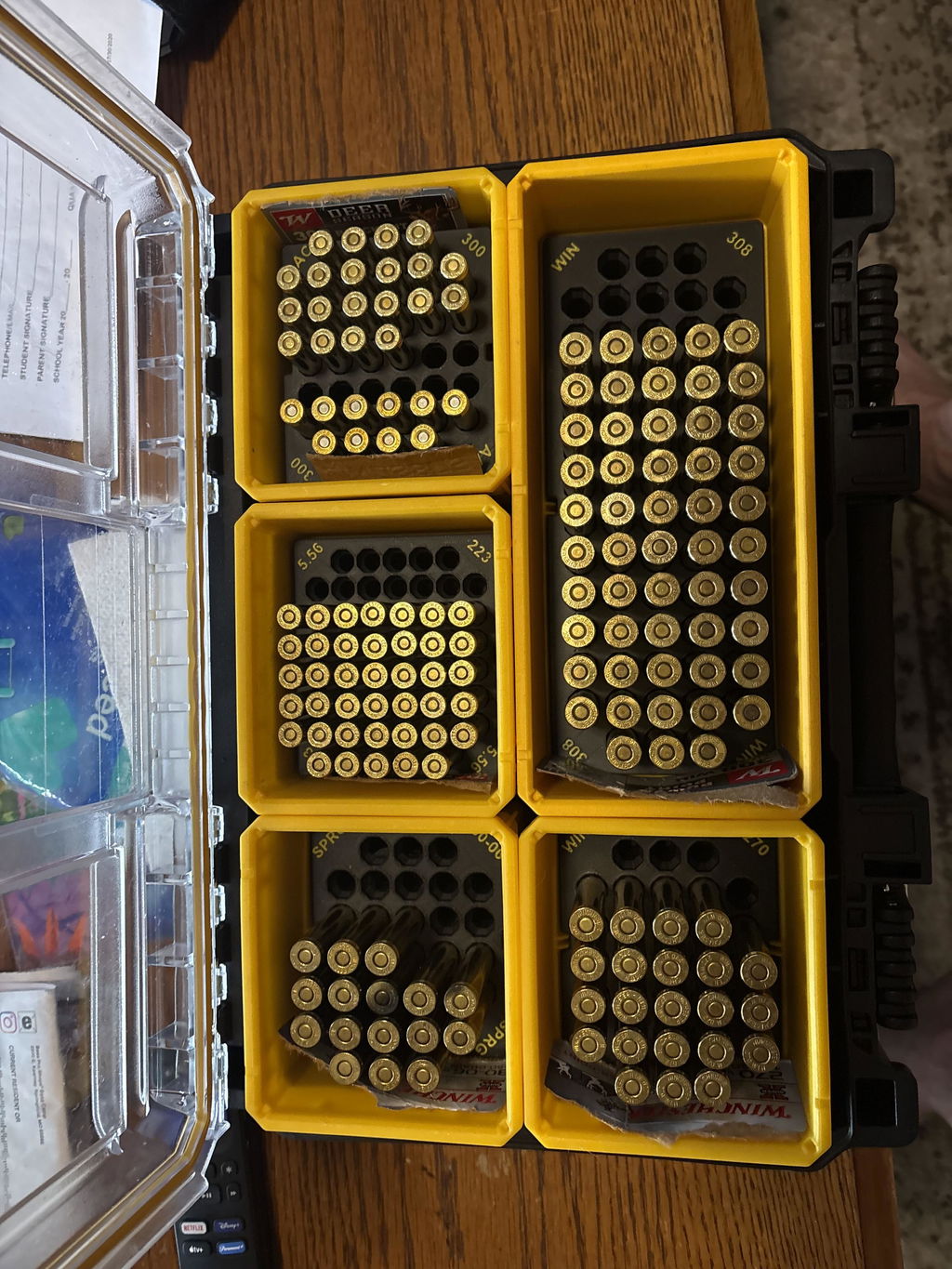
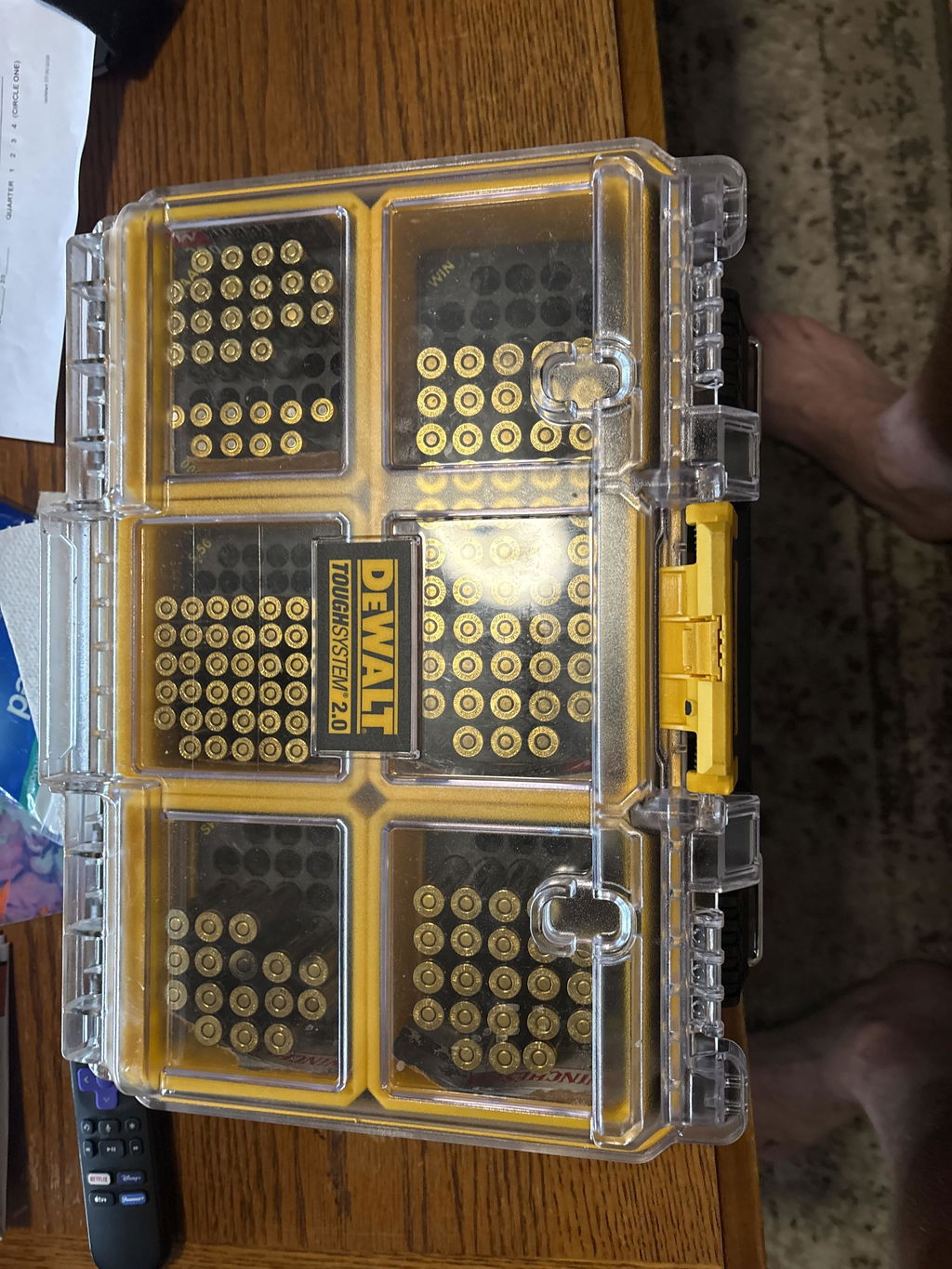
At WM Prints, we embrace the diverse capabilities of 3D printing, offering innovative solutions that cater to various needs. For those involved in precision tasks, the Lyman Type prep tools holder Available Here exemplifies how 3D printing can create specialized, practical tools that enhance your workflow.
The world of 3D printing is constantly growing and evolving. Understanding its true capabilities—and shedding outdated myths—can unlock new possibilities for individuals and industries. Explore more of what 3D printing has to offer at WM Prints.