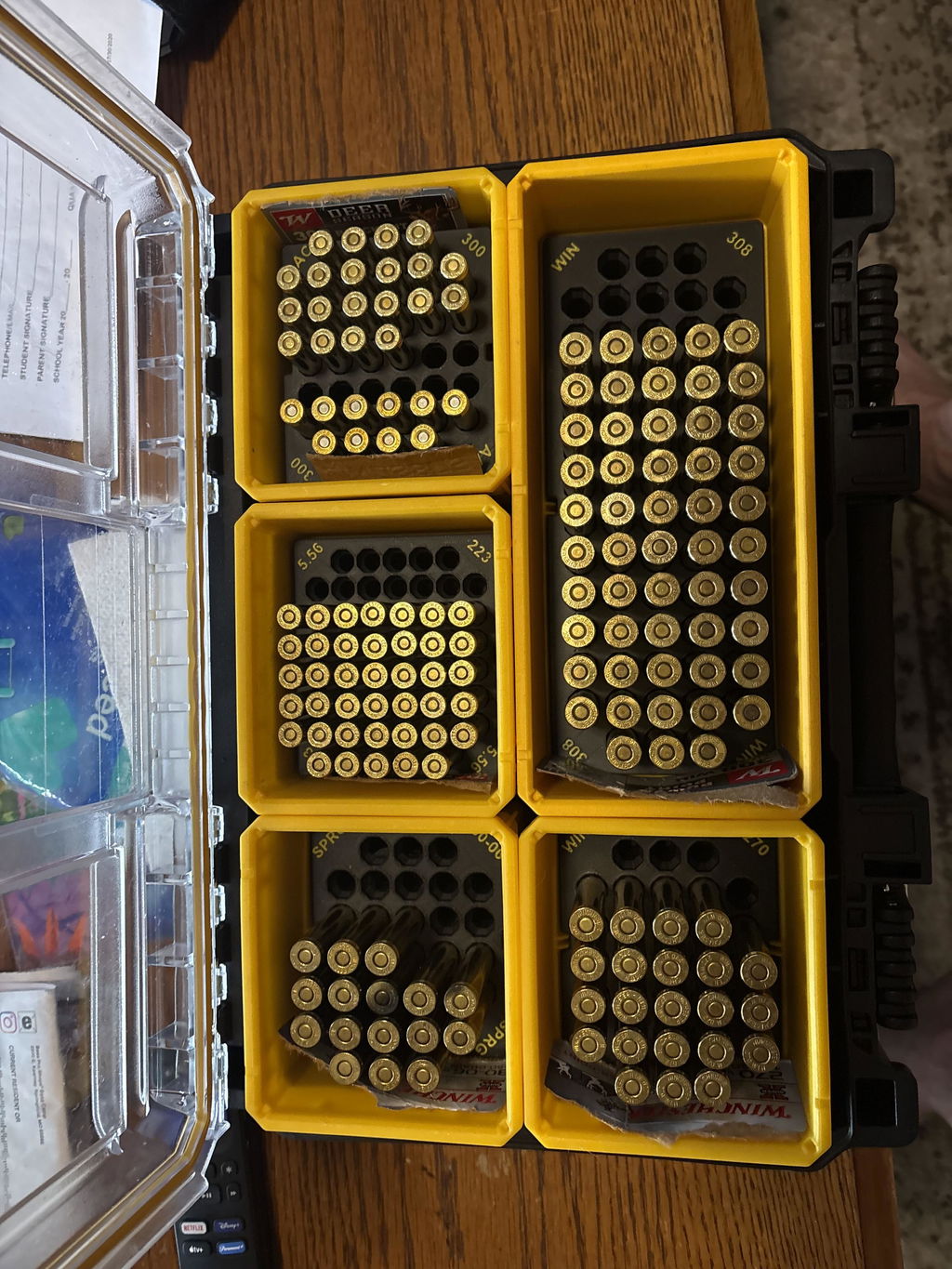

A cleaning session gets inefficient fast when brushes roll off the bench, jags mix together, and solvent bottles end up next to parts they should never touch. A firearm cleaning kit organizer fixes that problem by giving each tool, bottle, and accessory a defined place, so setup is faster, cleanup is cleaner, and nothing critical gets left behind.
For serious shooters, reloaders, and gunsmithing-minded owners, organization is not cosmetic. It affects workflow. When your rods, patches, picks, bore guides, and lubricants are laid out in a way that matches how you actually work, maintenance becomes more consistent. That usually means better care for the firearm and less frustration at the bench.
What a firearm cleaning kit organizer should actually do
A lot of generic organizers are really just boxes with compartments. That is fine for loose storage, but it falls short once your kit grows beyond a few basic items. A proper firearm cleaning kit organizer should control movement, separate messy consumables from precision tools, and make it obvious when something is missing.
That last point matters more than people think. If you use the same kit at home, at the range, and in the truck, missing tools turn into repeat purchases and interrupted work. A layout with dedicated locations for each item gives you a fast visual check before you close the lid and move on.
Good organization also protects the tools themselves. Cleaning rods can bend. Nylon and brass brushes get crushed. Small adapters disappear into corners. Bottles can leak. If everything is loose, the kit wears out faster and creates more mess than it prevents.
Why generic boxes stop working
The problem with one-size-fits-all storage is simple - firearm maintenance tools are not standardized in shape, length, or quantity. One person runs a basic handgun kit. Another carries caliber-specific brushes, chamber mops, dental picks, bore snakes, driver bits, optics cloths, and spare batteries. Both are called cleaning kits, but they need very different layouts.
A generic tackle box or hardware divider usually creates compromise instead of order. Long tools sit diagonally. Small consumables migrate between compartments. Bottles tip over. If you transport the case, everything shifts and the layout you started with is gone by the time you open it again.
That is where fit matters. A well-designed insert or organizer system does more than hold items. It assigns space according to actual use. Long items need support. Delicate items need protection. Frequently used tools should sit where your hand reaches first. Less-used items can be stored securely without taking prime space.
Fit matters more than capacity
People often shop by how much a case can hold. In practice, that is only half the equation. If the organizer holds a lot but wastes time every time you use it, the design is wrong for the job.
A better approach is to think in terms of fit and sequence. What do you reach for first when you clean a pistol or rifle? What needs to stay upright? What should stay isolated from oil or solvent? Which items are caliber-specific, and which are universal? Once you answer those questions, the right organizer becomes easier to identify.
A smart layout usually places the highest-use items where they are visible and easy to grab. Rod sections, handled tools, and bottles should not fight for the same footprint. Small threaded adapters and jags should sit in a controlled section where they cannot scatter. Patches and cloths need dry storage. That sounds basic, but most cluttered kits fail on exactly those points.
Firearm cleaning kit organizer options by use case
The best setup depends on where and how you clean.
Bench setup
If most maintenance happens at a dedicated workbench, your organizer should prioritize visibility and repeatability. Open-top access, stable placement, and clear separation between wet and dry items matter more than compactness. In this setting, the organizer acts like a workstation. You want tools presented in the same arrangement every time so your process stays consistent.
For bench use, deeper storage is not always better. Shallow, defined slots often outperform stacked compartments because they reduce digging and speed up cleanup.
Range or field transport
A mobile kit has a different job. It needs retention, impact resistance, and fast closure. If you are moving between the truck, the firing line, and the bench, loose organization will not survive the trip. This is where system-compatible inserts and case layouts make a major difference.
A transport-ready organizer should keep rods from shifting, contain liquids, and prevent cross-contact between dirty and clean items. Compactness matters here, but not if it forces you to cram tools together or leaves no room for the extras you always end up needing.
Shared maintenance kits
Some users keep one cleaning setup for multiple firearms and calibers. That can work well, but only if the organizer makes categories obvious. If handgun tools blend into rifle accessories and shotgun components, the kit becomes harder to use with each added item.
In shared kits, labeling by position and maintaining dedicated spaces for caliber-specific parts is more useful than simply adding more compartments.
Materials and construction make a real difference
Organizer quality is not just about appearance. Material choice affects durability, chemical resistance, and long-term fit. If your storage system lives in a workshop, truck, or range bag, it will see heat, vibration, oil, solvent residue, and repeated handling.
That is why rigid, purpose-built construction generally outperforms thin generic trays or soft pouches. A structured insert keeps shape under load and holds tools where they belong. Material also affects how precisely the organizer can be designed. Better fit means less movement. Less movement means less wear and fewer surprises when you open the case.
This is one area where 3D-printed, workflow-focused storage has a clear advantage when it is engineered correctly. A precision-fit organizer can be designed around real tools and real platform dimensions instead of broad assumptions. For users already invested in case and tool ecosystems, that compatibility matters. WM Prints builds around that exact idea - storage should match the gear, not force the gear to adapt to bad storage.
How to evaluate a firearm cleaning kit organizer before you buy
Start by laying out your current cleaning kit on a bench. Separate it into long tools, small metal accessories, bottles, wipes or patches, and specialty items. That exercise usually shows where your current setup is failing.
Then look at access. Can you grab the item you need without moving three others first? If not, the organizer will slow you down. Next, consider retention. Will the layout still make sense after transport, or will everything shift once the case is upright? Finally, consider growth. Most kits expand over time, so a little planned flexibility helps, but too much empty universal space usually leads right back to clutter.
It also helps to be honest about whether your kit is static or evolving. If you use the same pistol tools every week, dedicated storage is ideal. If you are constantly adding specialty brushes, adapters, or suppressor tools, a hybrid layout with fixed and flexible zones may be the better call.
Common mistakes that make cleaning kits harder to use
The biggest mistake is overpacking. A kit should support the work you actually do, not become a storage dump for every cleaning item you have ever bought. The second mistake is mixing consumables and tools without control. Solvent leaks, oily rags, and loose bronze brushes create avoidable mess fast.
Another common issue is choosing portability over usability. A very compact case can look efficient until you need one small jag buried under rods, mops, and patch loops. Small is good only when access stays clean and logical.
Finally, many people ignore platform compatibility. If you already use modular storage systems, forcing a separate, awkward cleaning box into the mix creates friction. Matching the organizer to the cases and boxes you already trust usually leads to a better everyday setup.
The right organizer supports better maintenance habits
A good firearm cleaning kit organizer does more than clean up your bench. It removes small points of friction that make maintenance easy to postpone. When your tools are protected, visible, and stored in a repeatable layout, the job feels shorter because it actually is shorter.
That is the real value. Not more compartments. Not more plastic. Better control of the tools you already rely on.
If your current kit makes you search, sort, and repack every time you clean, the problem is not the amount of gear you own. It is that the storage is working against the task. Fix that, and the rest of the process usually gets a lot smoother.