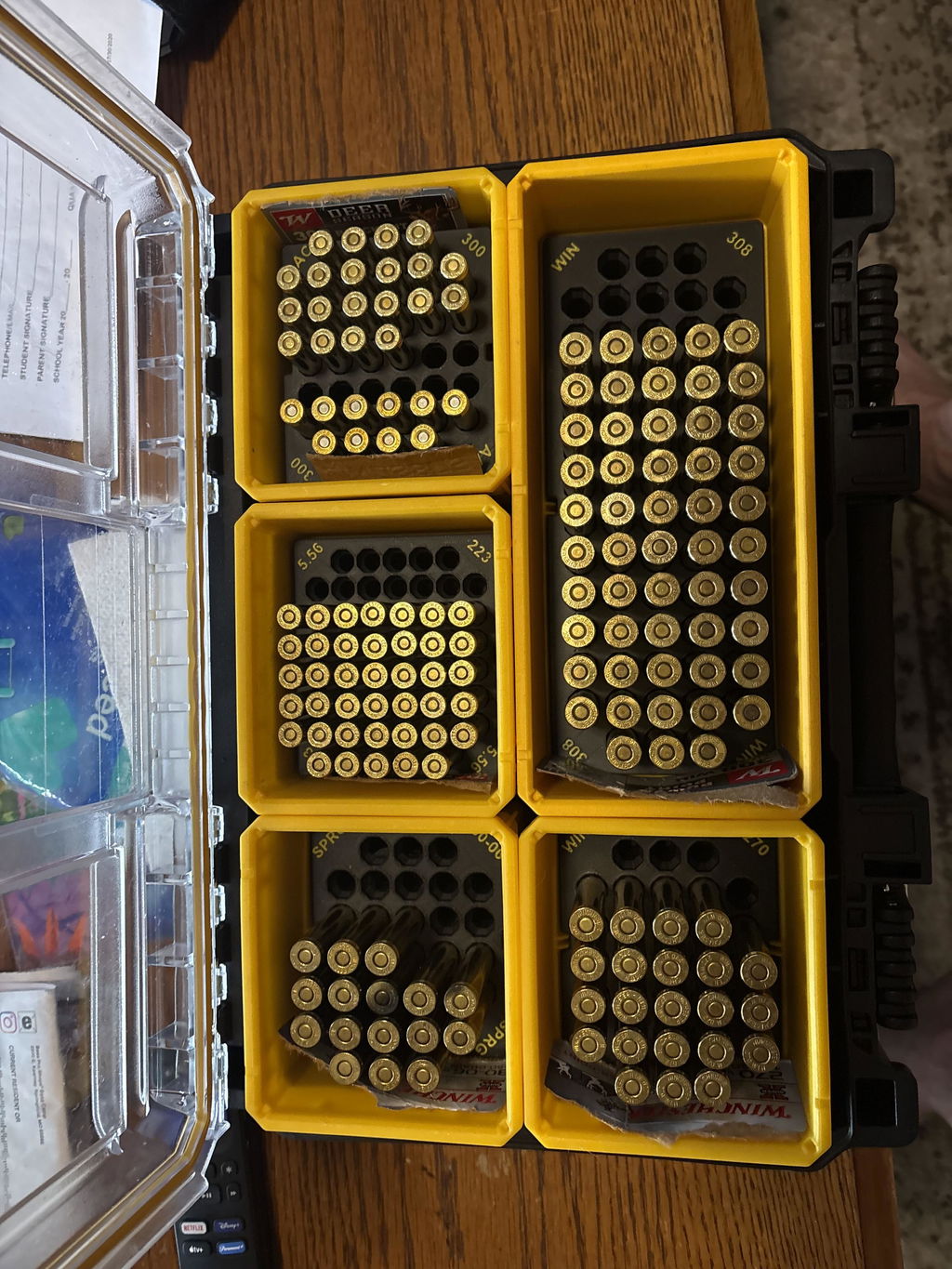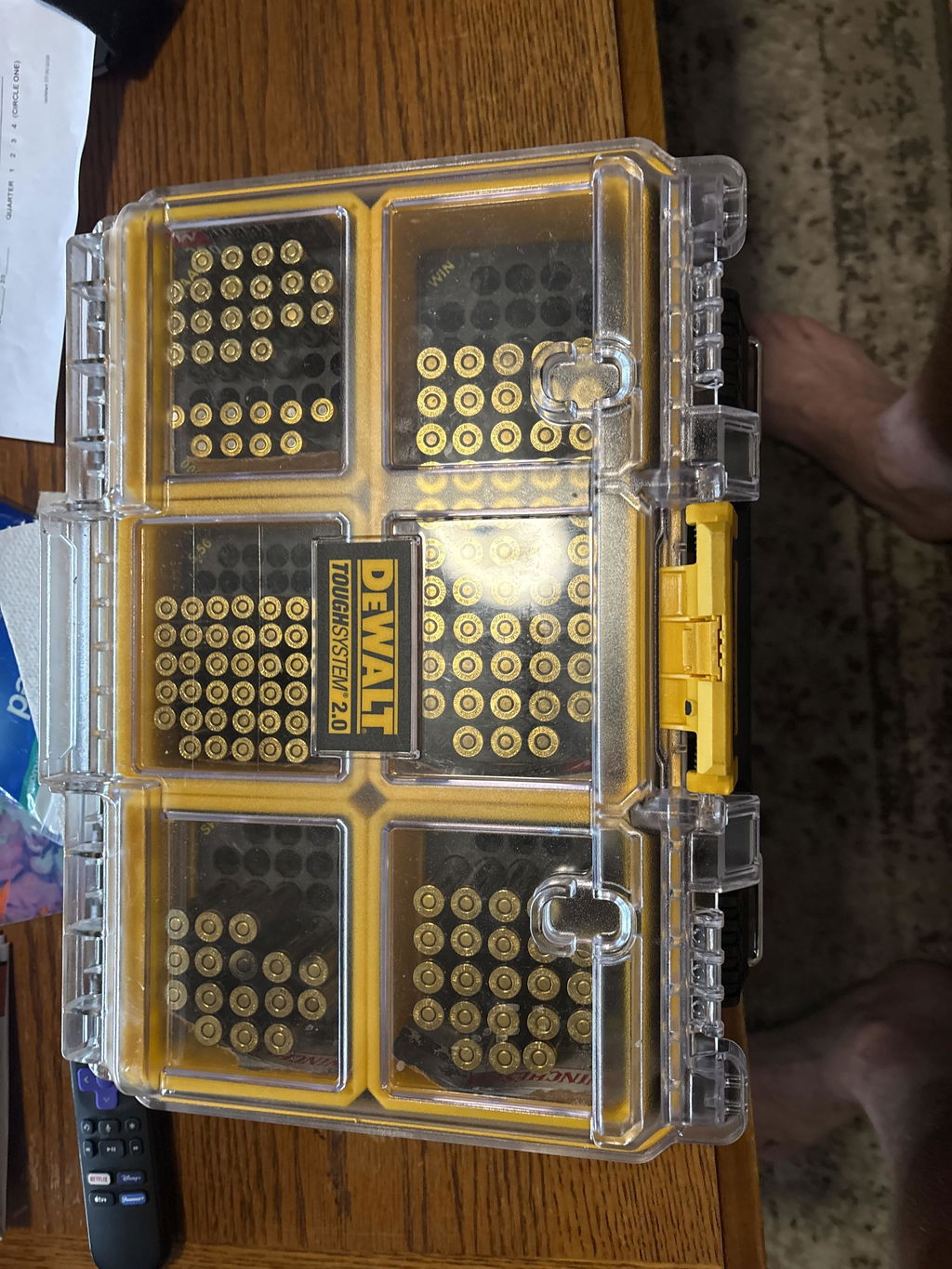

A drawer full of good tools can still waste time. The issue is rarely the drawer itself. It is the stack of loose sockets, drivers rolling into corners, measuring tools buried under accessories, and small parts that disappear when the drawer opens. Custom drawer dividers turn that open space into a defined working layout, where the equipment you use has a fixed location and is ready when you need it.
For serious workshop users, reloaders, gunsmiths, and mobile tool owners, organization is not about making storage look tidy. It is about protecting gear, reducing setup time, and keeping a workflow moving without searching through clutter.
Why generic organizers fall short
Off-the-shelf drawer trays work reasonably well when every tool is roughly the same size. Most real drawers are not used that way. A single drawer may need to hold a ratchet set, calipers, hex keys, batteries, bit cases, marking tools, and specialty equipment with dimensions that do not match a standard tray.
Generic organizers also leave dead space. Their compartment sizes are fixed, their overall footprint may not fit the drawer well, and their thin walls can shift when the drawer is opened or closed. That is acceptable for light household use. It becomes frustrating when the drawer is part of a workbench, a rolling tool chest, a Packout setup, or a dedicated reloading station.
A purpose-built divider layout addresses the actual equipment, not an assumed collection of tools. Each area can be sized around the item it needs to retain, with enough clearance to remove it easily but not so much that it moves around during transport.
What custom drawer dividers improve
The most immediate benefit is access. When every item has a known location, you can spot a missing tool before a job starts instead of discovering it halfway through. That matters whether you are setting up for a repair, organizing case-prep tools, or packing a mobile work kit for the next day.
Protection is the second benefit. Loose tools collide with each other, especially in drawers that are opened quickly or moved around a shop. Dividers separate equipment and reduce unnecessary contact. For precision tools, finished components, optics accessories, and other easily marked items, that separation is more than cosmetic.
There is also a practical inventory advantage. A well-designed drawer shows what is available at a glance. Empty spaces are obvious. Duplicate purchases are less likely. Consumables, adapters, and small accessories are easier to keep in the same place rather than spreading across several drawers.
The value increases when the layout follows the sequence of your work. Frequently used items belong where the hand naturally reaches first. Supporting tools can sit beside them. Less-used spares can move to the rear or a secondary drawer. That arrangement reduces unnecessary movement and makes a bench feel more deliberate.
Start with the drawer and the workflow
A good divider system begins with measurement, but dimensions alone do not create a useful layout. Measure the usable interior width, depth, and height of the drawer, accounting for slides, hardware, lips, and any obstruction that reduces space. A divider that looks correct on paper can become unusable if it interferes with the drawer closing.
Then identify what belongs in that drawer. Do not begin by trying to organize everything at once. Assign a purpose to the space: firearm maintenance tools, reloading prep equipment, electrical tools, inspection gear, fasteners, or daily-use hand tools. A drawer with one clear purpose is faster to use and easier to maintain.
Next, place the largest and most frequently used items first. Their dimensions determine the layout. Smaller items can fill the remaining spaces, but they should not dictate the entire design. This prevents the common mistake of creating many small compartments and then having nowhere to put the tools that actually drive the work.
Leave room for real-world use
Exact fit does not mean forcing an item into a pocket with no clearance. Tools need enough room to be grasped, particularly if they have smooth surfaces, are stored vertically, or are used with gloves. Tall dividers can retain items securely, but they may make shallow tools hard to retrieve. Low dividers improve access, though they may not be appropriate for a drawer that sees frequent movement.
The right wall height depends on the equipment and how the drawer is used. A stationary bench drawer can prioritize quick access. A portable tool system or vehicle-based setup may need more retention. There is no universal best layout because the job environment changes the requirement.
Material and construction matter
Custom drawer dividers are only as useful as the material behind them. Thin, flexible plastic trays can bow under load, crack at corners, or shift when the drawer is used hard. For shop-grade organization, the divider needs to hold its shape and tolerate repeated contact with tools and equipment.
PETG is a practical material for purpose-built storage components because it balances strength, durability, and everyday resistance to workshop conditions. It is well suited to dividers, holders, and inserts that need more rigidity than a lightweight disposable organizer. It also supports detailed geometry, making it possible to create layouts that follow the footprint of specific tools or compatible storage systems.
Construction should match the intended load. Wide unsupported sections may flex. Extremely narrow pockets may be difficult to clean or access. A layout can be precise without being delicate. The best designs use sensible wall thicknesses, stable bases, and compartment shapes that can handle daily use without making tool retrieval harder.
When a modular layout makes more sense
A full drawer insert is not always the right answer. If your tool collection changes often, modular custom drawer dividers can provide more flexibility. Separate sections allow one area of the drawer to evolve without rebuilding the entire layout. This works well for drawers that hold batteries, bit sets, adapters, or seasonal equipment.
A fixed insert is usually the better choice when the equipment is stable and the drawer has a specific role. A dedicated gunsmithing drawer, for example, benefits from repeatable placement. The same is true for a reloading bench where prep tools, gauges, and accessories are used in a consistent sequence.
Consider a hybrid approach if the drawer does both jobs. Keep the primary tools in fixed spaces and reserve one section for changing accessories or incoming parts. That preserves the efficiency of a purpose-built layout without making the drawer too rigid for real work.
Common design mistakes to avoid
The first mistake is designing around ideal conditions rather than daily use. A layout may look clean with every item perfectly placed, then become annoying because a tool cannot be lifted out quickly or a compartment is too tight once dust and debris collect.
The second is ignoring the drawer's movement. A divider system that works in a stationary cabinet may need different retention in a rolling chest, truck, or portable storage case. If the drawer is regularly moved, account for vibration and abrupt stops.
The third is treating all tools as equal. The items used every day deserve the best positions. Backup pieces, specialty tools, and low-use accessories should not take prime space simply because they are smaller or easier to organize.
Finally, avoid filling every open inch. A small amount of intentional open space gives you room for a new accessory, a temporary project tool, or an item that needs to be set down between tasks. Overpacked drawers look efficient until the first change in your workflow.
Build storage around the way you work
The strongest organizer is one you do not have to think about. You open the drawer, reach for the tool, use it, and return it to the same location without sorting through a pile. That consistency is what makes custom organization worth the effort.
WM Prints approaches storage the same way: fit should support the job, not create another step in it. A drawer layout built around your actual tools, your available space, and your workflow will keep paying off long after the initial cleanup is finished.