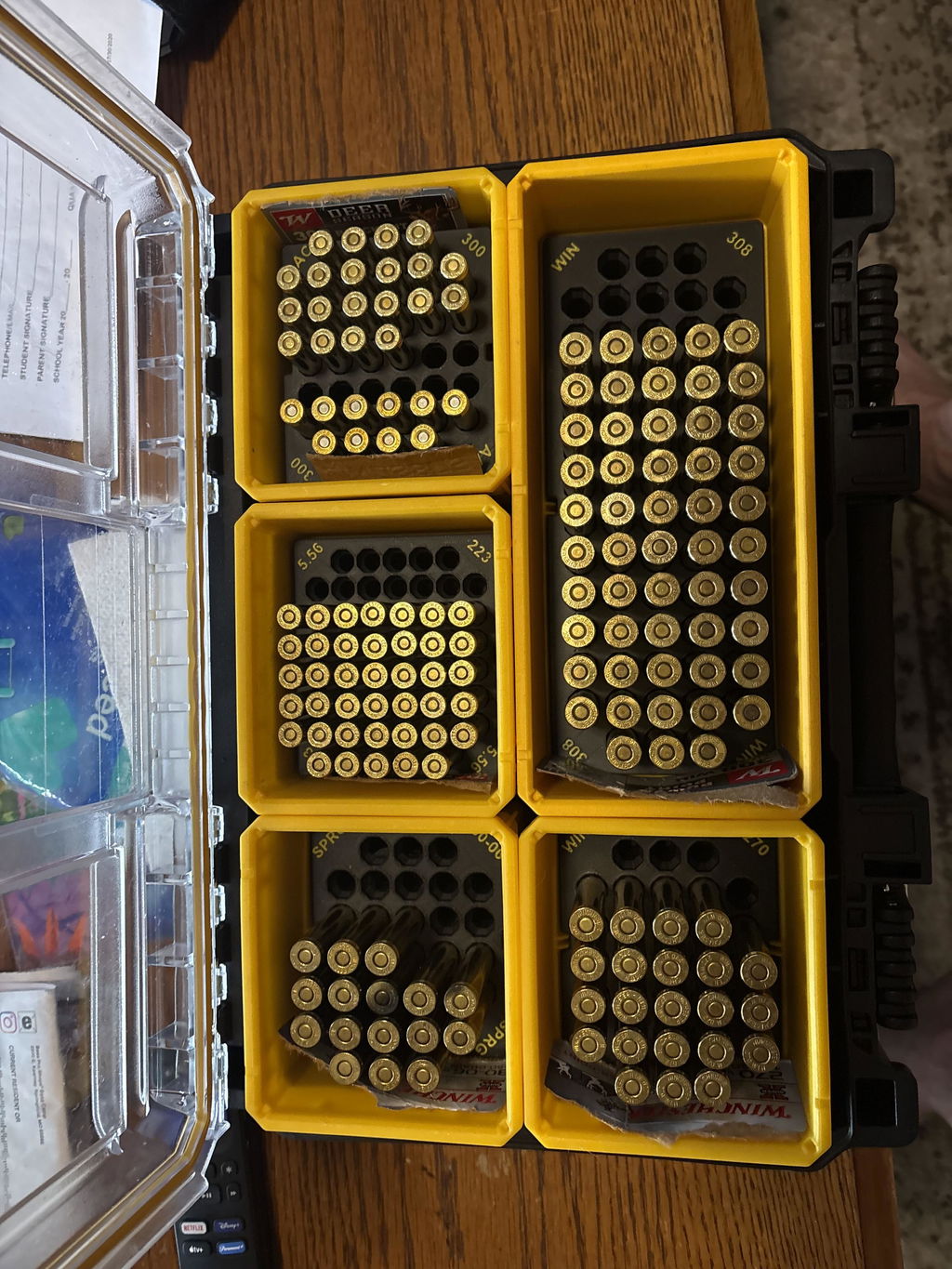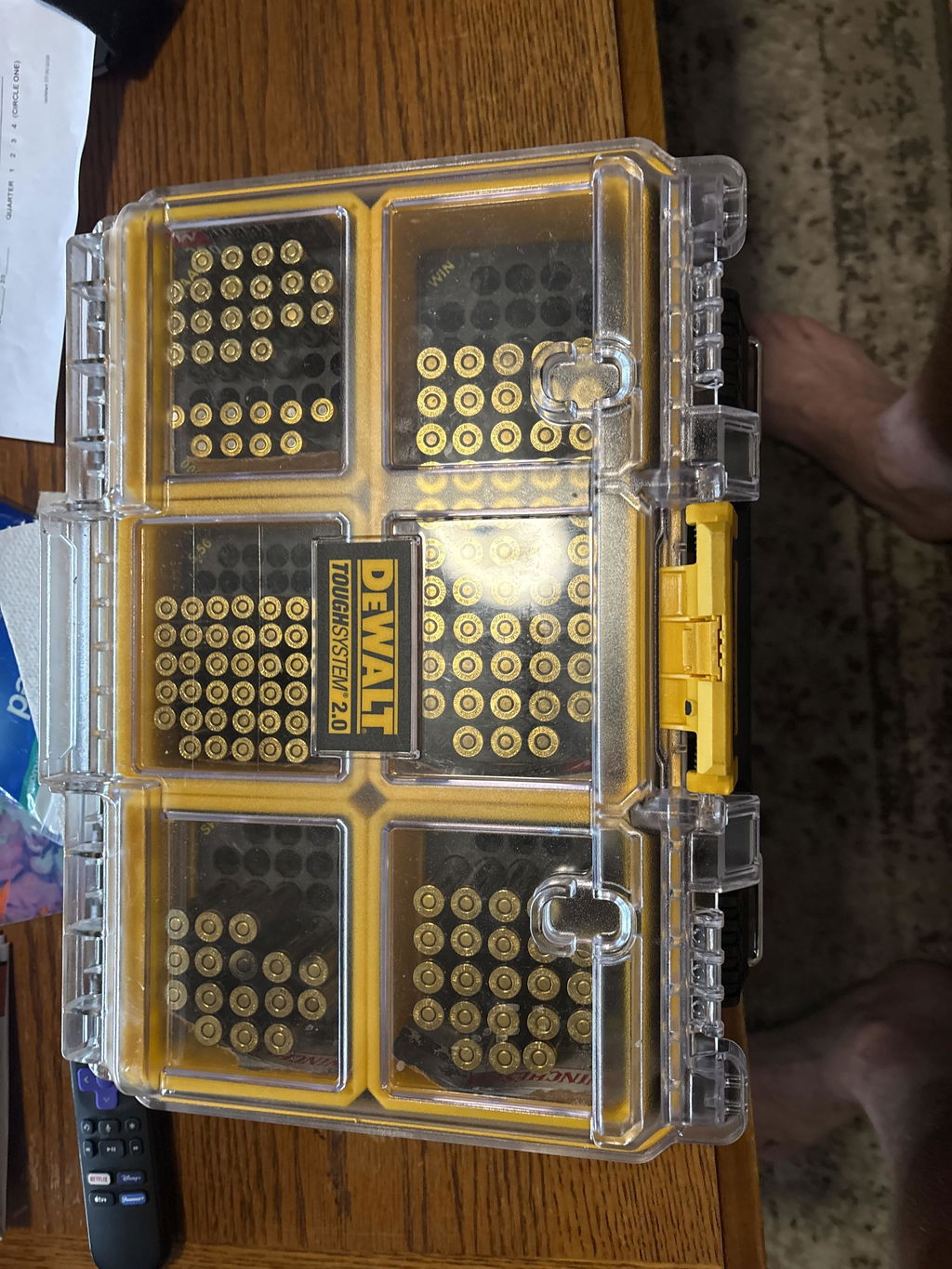

A rolling stack full of sockets and impact tools is one thing. A stack holding powder measures, dies, shellholders, calipers, prep tools, and loaded ammo is a different test. If you are asking, can Packout hold reloading gear, the short answer is yes - but only if you build the system around weight, layout, and how you actually reload.
That matters because reloading gear is not just heavy. It is awkward, expensive, and often sensitive to impact, contamination, and poor organization. A Packout setup can absolutely work for reloaders, especially if you want modular storage that moves between bench, truck, range, and shop. But the difference between a clean mobile setup and a rattling box of mixed parts comes down to how each case is used.
Can Packout hold reloading gear for real use?
Yes, Packout can hold reloading gear for real-world use, but it is better at some parts of the job than others. It handles hand tools, dies, shellplates, gauges, case prep tools, small accessories, and boxed components very well. It can also carry compact presses and bench accessories if the load is supported properly.
Where people get into trouble is treating every reloading item like a generic tool. Reloading equipment has tighter tolerances and more pieces that should not bounce into each other. A die body knocking into a decapping assembly, or a caliper shifting under a heavy trimmer, is not just messy. It can cost you time, damage equipment, and make setup slower every time you open the box.
So the better question is not just whether Packout can hold reloading gear. It is whether Packout can hold your specific reloading gear in a way that protects it and makes your workflow faster. Often, the answer is yes for transport and organization, and maybe for full bench replacement depending on your setup.
What Packout does well for reloaders
Packout has three strengths that line up well with reloading. First is modularity. Most reloaders do not move one giant kit. They move batches of tools and components depending on the task - case prep, die setup, load development, range testing, or a mobile bench arrangement. A modular storage system fits that better than one large catch-all box.
Second is stackable transport. If you already move tools, range gear, or gunsmithing equipment, keeping reloading tools in the same platform has obvious value. One stack, one footprint, less loose gear in the truck or trailer.
Third is durability. Hard-sided cases and bins do a better job than soft bags when you are moving metal tools, loaded ammo, or expensive measuring equipment. That does not mean every item is automatically protected, but the platform itself is a solid starting point.
For many users, Packout works best as a transport and organization system around the bench, not as a replacement for the bench itself. That distinction keeps expectations realistic.
Where Packout has limits
The biggest limit is weight concentration. Reloading presses, lead bullets, loaded ammo, and cast iron accessories get heavy fast. A case may technically hold the load, but that does not always mean it is the best long-term arrangement. Repeated lifting, stacking, and rolling can put stress on both the case and the gear inside if the contents are not supported correctly.
The second limit is internal movement. Standard open interiors are fine for rough tool storage, but reloading gear benefits from dedicated placement. Dies should stay separated. Powder tools should stay clean. Measuring tools should not be loose. Small parts should not migrate.
The third limit is workflow friction. If every session starts with unpacking layers of mixed gear to find one shellholder or one comparator insert, the system is holding the gear but not helping you work. Good storage should reduce setup time, not add to it.
Which reloading gear belongs in Packout
Small and medium reloading tools are the easiest fit. Dies, shellholders, trimmer pilots, priming tools, chamfer tools, deburring tools, hex keys, case gauges, neck brushes, and digital scales all make sense in Packout when they have secure placement. These are the items most likely to benefit from compartmentalized storage and fastest access.
Case prep gear also fits well. Prep tools tend to involve several small accessories, and keeping them grouped by function makes a mobile or shared bench much easier to manage. A dedicated insert layout can keep every cutter, holder, and accessory visible instead of buried.
Ammo storage can also work well, especially when trays or inserts are built around caliber and quantity. Loose boxes sliding around inside a large tool case waste space and invite damage. A fitted layout turns the same case into organized, countable storage.
Presses are more situational. Compact hand presses or lighter portable presses are reasonable candidates. Larger bench-mounted presses can be transported in Packout, but they are not always convenient to lift, and they need enough support to prevent rocking, handle stress, or damage to surrounding gear. If you are moving a press often, the internal layout matters even more.
Consumables require more judgment. Brass is dense. Bullets are dense. Primers and powder need careful handling and storage decisions based on your process, environment, and applicable safety practices. Just because a box can carry them does not mean every mixed load is a smart one.
Can Packout hold reloading gear safely?
It can, but safety depends less on the outer box and more on separation, retention, and purpose-built organization. Reloading gear should not be treated like a jumble of hardware. Sensitive tools need support. Sharp or threaded parts need dedicated spots. Heavy items need stable placement low in the case. Components should be separated in a way that prevents confusion and contamination.
This is where fitted inserts make a major difference. A purpose-built insert is not just about making the case look organized. It controls movement, protects edges and threads, speeds up inventory checks, and makes it obvious when something is missing. For reloaders who value repeatability, that is more than convenience.
A good layout also reduces the chance of mixing tool sets between calibers or setups. If your .223 dies, shellplate, and prep accessories live in one defined arrangement, you spend less time sorting and less time second-guessing what is in the box.
How to decide if Packout is right for your bench setup
Start with the real use case. If your gear stays on one bench all year, Packout may still help with organization, but mobility is not the main benefit. In that case, the value is in cleaner storage, protected tools, and better modular grouping.
If you run a shared workspace, travel to another property, reload in stages, or want one system for shop and range support, Packout makes more sense. It gives you a hard-sided, stackable way to move exactly what you need without repacking loose containers every time.
Then look at your gear by category, not brand alone. Measuring tools need protection. Dies need separation. Prep tools need access. Ammo needs secure organization. Heavy items need support. Once you think in those terms, it becomes clear which items belong in a Packout case and which are better left mounted, shelved, or stored elsewhere.
The real answer to can Packout hold reloading gear
Yes, and for many reloaders it works very well. But the platform is only half the solution. The real performance comes from matching each case to the task and giving the contents a layout that controls movement and supports how you work.
That is why generic foam, random bins, and loose compartments usually fall short over time. Reloading rewards order. When your storage is engineered around the actual tools, calibers, and workflow involved, the case stops being just a box and starts functioning like part of the bench.
For serious users, that is the standard worth aiming for. If the goal is smarter storage, faster access, and better protection, Packout can absolutely hold reloading gear - provided the inside is doing as much work as the outside.